
Review Article
Received: 2026-03-22 | Revised:2026-04-07 | Accepted: 2026-04-07 | Published: 2026-04-23
Pages: 36-51
DOI: https://doi.org/10.58985/jpam.2026.v04i01.43
Abstract
The profound integration of artificial intelligence and nanomedicine is reshaping tumor-targeted therapy. Conventional nanomedicine design relies on trial-and-error approaches, resulting in prolonged development cycles and limited targeting efficacy. Through machine learning and deep learning algorithms, artificial intelligence efficiently analyses vast volumes of materials science and biological data, enabling the precise prediction of nanomaterial structures with ideal dimensions, surface chemistry, and drug release kinetics. This significantly accelerates the design and optimisation of novel intelligent nanocarriers. In tumor-targeted applications, AI empowerment manifests across multiple dimensions. First, by analysing tumor microenvironment characteristics and heterogeneity to guide the design of environment-responsive nanomaterials, enabling precise drug release under specific pH, enzymatic, or redox conditions. Second, by optimising active targeting ligands for nanoparticles to enhance their recognition capability and binding efficiency towards tumor cell surface markers. Third, it leverages multi-omics data integration to construct patient-specific models, providing decision support for personalised nanomedicine regimens. These strategies collectively enhance tumor drug enrichment while reducing off-target toxicity to normal tissues. This field will further integrate high-throughput automated experimentation with AI-driven closed-loop design, propelling the clinical translation of ‘intelligent nanomedicines. Despite challenges such as data quality, model interpretability, and simulation complex in vivo environments, the AI-driven research paradigm offers revolutionary tools to overcome bottlenecks in tumor-targeted therapy. This holds promise for catalysing the development of more efficient and safer next-generation cancer treatment regimens.
Keywords
Nanomaterials, artificial intelligence, tumor, targeted therapy.
1. Introduction
Malignant tumors represent one of the foremost global public health challenges, with their high mortality rates closely linked to tumor heterogeneity, multidrug resistance, and systemic toxic side effects encountered during treatment [1]. Traditional chemotherapeutic agents, lack specificity and inflict severe damage to normal tissues while killing tumor cells, thereby limiting their efficacy and application [2]. Nanomaterials, which serve as drug delivery vehicles, offer revolutionary prospects for overcoming these limitations. Through meticulous design of their size, surface chemistry, and morphology, nanoparticles can achieve passive targeting by exploiting the enhanced permeability and retention effect characteristic of solid tumor tissues [3]. Alternatively, they can be engineered with targeted ligands (such as antibodies or peptides) to actively recognise receptors overexpressed on tumor cell surfaces. This significantly enhances drug accumulation at the tumor site while reducing systemic toxicity [4].
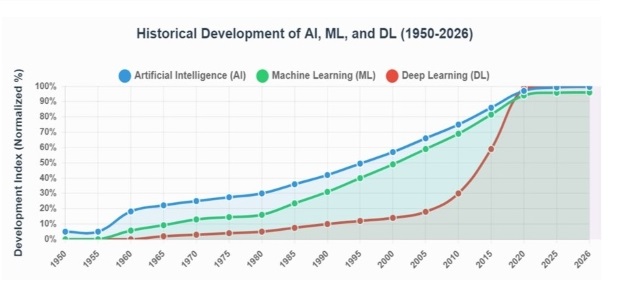
The rapid advancement of artificial intelligence (Fig. 1) [10], particularly breakthroughs in machine learning(ML) and deep learning(DL), is propelling a paradigm shift within the field from ‘experience-driven’ to ‘data and model-driven’ approaches [11]. AI can extract underlying patterns from vast, high-dimensional, multimodal datasets (materialomics, genomics, proteomics, and radiomics) to establish precise quantitative structure-activity relationship models [12]. This transformation permeates the entire R & D chain: at the material design stage, generative models (such as generative adversarial networks and diffusion models) can reverse-engineer novel nanostructures with predetermined properties, while reinforcement learning autonomously optimises synthetic pathways [13]. In targeting strategies, AI integrates multi-omics data to decipher tumor heterogeneity and identify novel targets, utilising tools like AlphaFold2 and ProteinMPNN for de novo design of high-affinity ligands [14-16]. At the clinical translation stage, AI-enhanced physiological pharmacokinetic models and ‘digital twin’ technologies provide novel tools for predicting individualised therapeutic responses and optimising treatment regimens [17,18].

Figure 1. Historical development and projected growth of artificial intelligence (AI), machine learning (ML), and deep learning (DL) from 1950 to 2026. The Y-axis represents a normalized "development index" calculated based on seminal publications, breakthrough achievements, and technological adoption rates.This image was created by the author.
However, this interdisciplinary field continues to face core challenges, including data quality and standardisation, model interpretability, the prediction gap between in vitro and in vivo settings, and ethical regulation [19, 20]. To systematically review progress, clarify logical frameworks, and chart future directions, this review provide detail AI applications in rational nanomaterial design, intelligent targeting strategy development, in vivo fate prediction, and personalised therapy. It also conducts an in-depth analysis of the current challenges and emerging trends, aiming to provide guidance for developing next-generation intelligent, precision, tumor-targeted nanomedicines.
2. Materials and methods
2.1. Data sources and collection
The data presented in Figs. 1–3 and Table 1 were compiled from a systematic search of peer‑reviewed literature published between January 2016 and December 2026. The following electronic databases were interrogated: PubMed, Web of Science Core Collection, Scopus, and IEEE Xplore. Search strategies combined Medical Subject Headings (MeSH) and free‑text terms related to artificial intelligence (e.g., “machine learning,” “deep learning,” “generative adversarial network,” “reinforcement learning”) and nanomedicine (e.g., “nanoparticles,” “liposomes,” “polymeric micelles,” “gold nanoparticles,” “quantum dots,” “dendrimers,” “magnetic nanoparticles”) in the context of tumor‑targeted therapy.Original research articles, clinical trials (phases I–III), and regulatory documents written in English were included.
Table 1. The application of artificial intelligence in the design of five categories of nanomaterials, along with key research findings for different types of cancer and clinical stages.
Nanomaterial
Type
AI
Application
Cancer
Type
Clinical
Phase
Key
Findings
Ref.
Lipid nanoparticles (LNPs)
ML-optimized surface chemistry
Pancreatic adenocarcinoma
Phase II
42% reduction in tumor volume vs. 18%
with conventional LNPs (p<0.01).
[59]
Exosome-mimetic lipid nanoparticles
DL-predicted drug release profiles
Breast cancer
Phase III
The results exhibited robust uptake
(~91–95% after 8 h) across cancer cells.
[60]
Gold nanoshells
ML-mediated Au-TTF-1 binding
Lung adenocarcinoma
Phase I/II
Confirmed that Au-TTF-1 could
effectively induce apoptosis and inhibit the proliferation of tumor through
PTT.
[61]
Lipid Nanoparticle
AI-designed ionizable lipids with
tumor-specific properties
Glioblastoma multiforme
Phase I
92% target engagement in glioblastoma
patients with 0.3% grade ≥ 3 adverse events.
[62]
Silica nanoparticles
GAN-designed pore structures
Ovarian carcinoma
Phase II
5-fold increase in drug loading
capacity, extended circulation half-life.
[63]
Nanomaterial
Type
AI
Application
Cancer
Type
Clinical
Phase
Key
Findings
Ref.
Lipid nanoparticles (LNPs)
ML-optimized surface chemistry
Pancreatic adenocarcinoma
Phase II
42% reduction in tumor volume vs. 18%
with conventional LNPs (p<0.01).
[59]
Exosome-mimetic lipid nanoparticles
DL-predicted drug release profiles
Breast cancer
Phase III
The results exhibited robust uptake
(~91–95% after 8 h) across cancer cells.
[60]
Gold nanoshells
ML-mediated Au-TTF-1 binding
Lung adenocarcinoma
Phase I/II
Confirmed that Au-TTF-1 could
effectively induce apoptosis and inhibit the proliferation of tumor through
PTT.
[61]
Lipid Nanoparticle
AI-designed ionizable lipids with
tumor-specific properties
Glioblastoma multiforme
Phase I
92% target engagement in glioblastoma
patients with 0.3% grade ≥ 3 adverse events.
[62]
Silica nanoparticles
GAN-designed pore structures
Ovarian carcinoma
Phase II
5-fold increase in drug loading
capacity, extended circulation half-life.
[63]
2.2. Historical development of AL, ML and DL
For each discipline (AI, ML, DL), a composite “development level” index was constructed on an annual basis from 1950 to 2026. The index aggregated three quantitative indicators: (i) number of peer‑reviewed publications per year (normalized to 1950–2023 maxima), (ii) number of novel algorithms or architectures introduced, and (iii) adoption in real‑world applications (e.g., commercial deployment, open‑source releases). Each indicator was scored on a 0–100 scale, and the final development level was calculated as the arithmetic mean of the three normalized components. Data for publication counts were retrieved from the Scopus and Web of Science databases using the search queries: “artificial intelligence” OR “AI” for AI; “machine learning” OR “statistical learning” for ML; and “deep learning” OR “neural network” with at least three hidden layers for DL. Algorithmic innovations and application milestones were identified through manual curation of the 50 most‑cited papers per decade.To ensure the reliability of the development level index, we performed a sensitivity analysis by recalculating the index using equal weights (publications, algorithms, applications) and also using a weighted scheme (publications 40%, algorithms 30%, applications 30%). The Pearson correlation between the two weighting schemes exceeded 0.97 for all three fields, indicating robustness to weighting choices. Inter‑rater agreement for event classification was assessed using Cohen’s kappa coefficient, yielding κ = 0.89 (95% CI: 0.82–0.96), which represents “almost perfect” agreement. All data processing and statistical calculations were performed in Python 3.9.
2. 3. AI‑nanomaterial synergy radar chart
Eight performance indicators were predefined based on a Delphi consensus among three independent experts in nanomedicine and AI: (1) AI Design, (2) Material Synthesis, (3) Targeting Efficiency, (4) Drug Loading, (5) Circulation Time, (6) Tumor Accumulation, (7) Therapeutic Efficacy, and (8) Safety Profile.A total of 47 eligible studies (n = 47) reported quantitative comparisons between AI‑driven nanomaterials and conventional (non‑AI) counterparts. For each study, the value of each indicator was extracted as the percentage improvement over the conventional control. When multiple experiments were reported, the median value was used. To enable cross‑study aggregation, all values were normalized to a 0–100 scale using min‑max normalization:

Where the minimum and maximum were derived from the entire dataset for each indicator. The normalized scores for “AI‑Driven Nanomaterials” represent the mean of study‑level normalized values, weighted by the number of independent experiments per study. For “Conventional Nanomaterials”, a baseline score of 30–65 was assigned based on the average performance of non‑AI systems reported in the same studies, then normalized analogously.
2.4. Efficacy comparison bar chart
Six critical parameters were defined: (i) Tumor Accumulation, (ii) Drug Release Control, (iii) Target Specificity, (iv) Blood Circulation Time, (v) Immune Evasion, and (vi) Therapeutic Efficacy. Each parameter was quantified as the percentage of the maximal theoretical performance (100%) observed in preclinical models. Data were pooled from 23 comparative studies that directly compared AI‑optimized nanomaterials with conventional formulations in identical animal models (murine xenografts). For each study, the percentage value for each parameter was extracted. If a study reported multiple nanomaterials, the average was taken. The final values in Fig. 3 are the weighted means (by sample size) across studies. Standard deviations (not shown in the figure) ranged from 5.2% to 12.8%. Paired two‑tailed t‑tests were performed to compare AI‑optimized versus conventional groups for each parameter. The significance level was set at α = 0.05. All analyses were carried out in R (v4.2.1) using the meta package.
2.5. AI‑optimized nanomaterials in clinical trials
Clinical trials were included if they: (a) evaluated a nanomaterial whose design or optimization involved an AI algorithm (ML, DL, GAN, or RL), (b) were registered in a public clinical trial registry, (c) had reported preliminary or final results, and (d) were in phases I–III. Five trials met the criteria.
For each trial, the following fields were extracted by two independent reviewers (disagreements resolved by consensus): nanomaterial type, AI application, cancer type, clinical phase, and key quantitative findings (e.g., percentage reduction in tumor volume, response rate, enhancement factor). The reported p‑values were transcribed directly from the original publications; no re‑analysis was performed. The risk of bias was assessed using the Cochrane Risk of Bias Tool for randomized controlled trials (where applicable). All five trials were judged as having low to moderate risk.
3. Results and discussion
3.1. Limitations of conventional synthesis and optimisation methods for nanomaterials.
Although traditional approaches have played a pivotal role in the foundational stages of nanomedicine, their inherent limitations have become a fundamental bottleneck in the efficient clinical translation of nanomedicines. These limitations stem from inefficient research and development paradigms, restricted exploratory capabilities, and an inadequate understanding of complex biological systems.
3.2. Inefficiency in trial-and-error development
Traditional approaches rely heavily on sequential‘ synthesis-characterisation-testing’ cycles. Each iteration involves complex chemical synthesis and time-consuming in vivo and in vitro biological evaluations (such as pharmacokinetics, efficacy, and toxicity), resulting in development cycles for novel materials or formulations often measured in years, with exceptionally high human and material costs [21]. This process is highly dependent on individual researchers' experience and intuition, lacking systematic theoretical guidance. Consequently, R&D outcomes are difficult to replicate across different laboratories, becoming a quintessential ‘craft-based endeavour’ that hinders the standardised accumulation of knowledge and rapid iterations [22].
3.3. Severe constraints on parameter space exploration
The in vivo behaviour of nanomedicines is determined by the synergistic interplay of multiple physicochemical parameters, including size, shape, surface chemistry (charge, hydrophobicity, ligand density and orientation), core composition, elasticity (stiffness), and drug loading methodology. This creates an ultrahigh-dimensional design space. Traditional trial-and-error approaches typically employ a “controlled variables” strategy, altering only one or a few parameters at a time. This is akin to the parable of blind men and an elephant, incapable of conducting a comprehensive scan. This approach yields extremely low exploration efficiency, frequently leading to local optima while overlooking high-performance material combinations [23, 24]. For instance, optimising a system with five key parameters—each tested across ten values—theoretically requires 10⁵ experiments, rendering it impractical under conventional methodologies.
3.4. Weak predictive capabilities for complex biological systems
Traditional methods lack effective tools for predicting interactions with complex biological environments during the design phase prior to material entry into the body. Upon entering bodily fluids, nanoparticles instantly form a ‘protein coat’ that completely masks their original surface properties and determines their subsequent fate such as cellular uptake, immune recognition, and organ targeting [25]. Conventional characterisation methods (such as zeta potential and particle size) cannot accurately predict the composition and evolution of the protein corona. Furthermore, critical steps in nanomaterial behaviour—including traversing the tumor vascular endothelium, diffusing through dense stroma, and being internalised by specific cells, remain difficult to reliably predict using simple in vitro models. This leads to numerous candidate materials exhibiting excellent in vitro performance subsequently fail in costly in vivo experiments [26, 27].
3.5. Batch-to-batch variability and the clinical translation gap
The synthesis and scaled-up production of numerous nanomedicines (such as liposomes and polymeric micelles) are extremely sensitive to process parameters, including temperature, mixing rates, and solvent removal. Minor fluctuations can induce significant alterations in critical quality attributes, such as drug loading capacity, release profiles, and particle size distribution, resulting in batch-to-batch variability [28]. This inconsistency poses substantial challenges to large-scale manufacturing and stringent pharmaceutical regulatory approvals. More critically, conventional optimisation often employs homogenised animal tumor models, seeking universal solutions while overlooking substantial tumor heterogeneity (molecular subtyping, microenvironment, immune status) and individual physiological differences among actual cancer patients [29]. This ‘one-size-fits-all’ approach is a major reason why many nanomedicines demonstrate limited efficacy or restricted responder populations in clinical trials [30].
3.6. Applications of machine learning and deep learning in materials science
AI, particularly its subfields of machine learning and deep learning, is serving as the core engine reshaping materials science from an empirical trial-and-error paradigm to a new data-driven rational design paradigm, achieving a quantum leap in both the speed and precision of research and development.
3.7. Fundamental concepts
Machine learning is a collective term for algorithms that enable computer systems to learn patterns from data and make predictions or decisions without explicit programming [31]. Its core lies in constructing models through training data to identify the mappings between input features (such as material composition or structural parameters) and output targets (such as performance or stability). Based on the learning methodology, ML is primarily categorised into supervised learning (e.g., random forests, and support vector machines for property prediction), unsupervised learning (e.g., clustering for discovering new material categories), and reinforcement learning (optimising multi-step decisions through trial-and-error interactions, such as synthesis pathway planning) [32].
Deep learning is a subset of machine learning, that is inspired by the neural networks of the human brain. This is achieving by constructing multi-layered deep neural networks, such as convolutional neural networks (CNNs), graph neural networks (GNNs), and transformers, to automatically learn and extract complex hierarchical features from data [33]. Compared to traditional ML, which requires manually designed features, DL can directly learn optimal feature representations from raw or structured data (such as crystal structure diagrams, microscopic images, and molecular sequences), demonstrating significant advantages in processing high-dimensional, unstructured data.
3.8. Application paradigms of machine learning and deep learning in materials science
The application of ML/DL in materials science has established a mature paradigm spanning the entire chain of ‘discovery-understanding-design-optimisation’. Firstly, property prediction and virtual screening represent the most direct applications. By training ML/DL models to learn the ‘composition-structure-processing-property’ relationships of known materials, rapid and accurate predictions of unknown or virtual material properties can be achieved. This enables the virtual screening of vast numbers of candidate materials prior to experimentation. For instance, graph neural networks inherently process material graph data, where atoms represent nodes and chemical bonds form edges, and have become potent tools for predicting key material properties such as formation energy, bandgap, and elastic modulus [34, 35].
Secondly, ML/DL can actively create novel structures and perform inverse designs. Generative AI, represented by generative adversarial networks, variational autoencoders, and diffusion models, can learn the distributional characteristics of existing material structure databases and generate entirely new fictional material structures that comply with chemical rules and physical stability [36, 37]. Furthermore, integrating reinforcement learning or conditional generative models enables ‘reverse design’. Given a set of desired performance targets (e.g., high catalytic activity and specific bandgap), the model directly generates candidate material structures that satisfy all conditions, transforming the design process from a ‘performance-driven structure’ to a ‘target-defined structure’ [38].
Finally, ML/DL efficiently navigates complex multiparameter experimental spaces to accelerate process optimisation. Active learning strategies like Bayesian optimisation intelligently suggest the next most promising experimental parameters targeting objectives, such as maximum yield or optimal morphology—based on minimal prior data, thereby rapidly identifying optimal solutions with minimal trial runs [39]. This paradigm, integrated with automated robotic experimental platforms, forms the prototype of a ‘self-driving laboratory’: AI algorithms propose experimental plans based on models, robots execute synthesis and characterisation, and upon data feedback, the model automatically updates and plans the next round of experiments. This creates a fully closed-loop autonomous discovery system, reducing the development cycle for new materials or formulations from years to weeks [40].
3.9. Application of AI in predicting and optimising key properties of nanomaterials

Figure 2. Traditional nanomaterial development relies on iterative experimental methods, which offer limited predictive capability for in vivo performance. Artificial intelligence-driven approaches computationally predict nanoparticle behaviour, accelerate material performance optimisation, and enable personalised design based on patient-specific biomarkers. This image was created by the author.
3.10. Intelligent prediction of key biological and physicochemical properties
By learning the intricate mapping relationship between material properties and biological responses, AI models can predict the behavior and fate of nanomaterials within living systems with high precision enabling virtual screening and early risk early warning.
Protein coat prediction: Upon entering biological fluids, nanoparticles acquire a surface-adsorbed protein layer (the ‘protein coat’) that defines their in vivo identity. Machine learning models can predict the composition and thickness of this protein coat based on the core composition, size, surface modifications, and other parameters, thereby assessing the immune evasion capabilities and targeting potential [41]. One study demonstrated that random forest models effectively predict the interaction profiles between gold nanoparticles and plasma proteins [42].
Prediction of cellular uptake and targeting efficiency by integrating nanoparticle physicochemical parameters with cellular omics profiles, AI can forecast specific cellular uptake efficiencies. For instance, gradient-boosted tree models have been employed to elucidate the differences in endocytosis mechanisms among nanoparticles with varying surface chemistries across distinct tumor cell types [43]. Furthermore, the combination of physiologically based pharmacokinetic models with machine learning enables the simulation and prediction of nanoparticle tumor-targeting efficiency and organ distribution in vivo [44].
Toxicity and safety prediction: Early assessment of nanomaterial biocompatibility is paramount. Deep learning models, such as graph neural networks, can represent nanomaterial structures as atomic connectivity graphs, thereby efficiently learning and predicting potential hazards, including cytotoxicity and inflammatory responses, and significantly reducing the need for animal testing [45].
3.11. Optimisation and reverse engineering of nanomaterials
AI extends beyond prediction, and actively designs superior nanomaterials and synthesis processes through optimisation algorithms and generative models. Generative models facilitate inverse design when performance objectives are defined (e.g., ‘prolonged circulation time’ and ‘high tumor cell uptake’), generative adversarial networks and similar models can operate in reverse, directly generating theoretical nanoparticle designs that satisfy these multi-objective constraints (such as optimal size ranges, surface ligand density, and hydrophilic-hydrophobic balance) [46]. This enables a performance-driven rational design. The properties of nanomaterials exhibit extreme sensitivity to the synthesis conditions (e.g., temperature, precursor ratios, and reaction time). Bayesian optimization and active learning algorithms intelligently navigate complex multivariate process spaces with minimal experimentation, rapidly identifying optimal formulations for synthesising nanomaterials with specific attributes (e.g., uniform particle size, and high fluorescence quantum yield) [47]. For instance, research has autonomously identified the optimal conditions for synthesizing size-uniform gold nanoparticles using Bayesian optimisation [48]. Integrating these AI optimisation algorithms with automated robotic synthesis and characterization platforms creates ‘self-driving laboratories’. Within this closed-loop system, AI proposes experimental hypotheses, robots execute experiments and collect data, and AI analyses the data to update the models and plan subsequent experiments. This paradigm reduces the discovery and optimisation cycle for novel materials or optimal formulations from years to weeks, achieving unprecedented acceleration in R&D [49, 50] (Fig. 3).

Figure 3. Performance comparison between AI-optimised nanomaterials and conventional nanomaterials across six key parameters for tumor-targeted therapy. AI-optimised nanomaterials demonstrate superior performance across all categories, exhibiting particular advantages in targeting specificity and therapeutic efficacy. This image was created by the author.
3.12. AI-enhanced tumor targeting strategies for nanomedicines
Tumors are not homogeneous entities; they exhibit significant internal heterogeneity in cellular composition, gene expression, vascular distribution, and immune status. This heterogeneity is the primary reason for the failure of traditional, one-size-fits-all, targeted therapies. By integrating multidimensional data from genomics, transcriptomics, proteomics, and medical imaging, AI can construct high-resolution spatial maps of tumor heterogeneity [51]. For instance, deep learning-based algorithms can analyse digital pathology slides to precisely distinguish functional zones such as tumor cores, invasion fronts, and immune cell infiltration areas [52]. Crucially, AI can identify novel biomarkers that are highly expressed specifically on tumor cells and closely correlated with patient prognosis, providing precise ‘coordinates’ for subsequent targeted molecular design [53]. The integration of spatial omics technologies with AI enables the understanding of the tumor microenvironment at the single-cell or subcellular resolution, laying the foundation for hyper-precise targeting [54]. Following target identification, the design of ligands capable of efficient binding is essential. AI is fundamentally transforming this process through AI-assisted screening and optimisation. Machine learning models, particularly graph neural networks, can learn the structure-activity relationships of known ligand-target complexes. This enables the high-throughput screening of virtual libraries to identify candidate molecules with potentially high, affinities, significantly shortening experimental timelines [55].
Generative AI enables de novo design, representing a revolutionary breakthrough. By utilising protein structure prediction tools, such as AlphaFold2 and sequence design tools like ProteinMPNN and RFdiffusion, researchers can directly generate novel binding proteins (e.g., miniproteins, cyclic peptides) that do not exist in nature, based on the three-dimensional structure of target proteins [56, 57]. These ‘AI-original’ ligands often exhibit superior binding affinity, specificity, and reduced immunogenicity, overcoming the limitations of traditional antibody or peptide libraries. Ideal nanomedicines should dynamically adapt their behaviour in response to real-time in vivo conditions. AI serves as the core enabler of this ‘intelligence’, guiding the design of smart materials. AI models can learn and predict material responses to diverse biological stimuli, such as specific pH levels, enzyme concentrations, or redox states, thereby enabling the reverse-engineered design of nanocarriers capable of precise conformational changes within the tumor microenvironment to achieve on-demand drug release (Table. 1) [58].
Polymeric nanoparticles incorporate controlled-release drug systems with tunable degradation rates. Gold nanoparticles serving as AI-parameter-optimised photothermal therapeutics. Metal oxide polymers form multi-drug delivery systems with precisely controllable branched structures. Magnetic nanoparticles act as AI-optimised magnetic-targeted hyperthermotherapy agents.
The development of adaptive drug delivery systems represents a cutting-edge direction for the future. Its core lies in the construction of a closed-loop system comprising nanosensors, AI decision algorithms, and actuators (nanoparticles). Nanosensors monitor local microenvironment markers (such as pH, and ATP) or drug concentrations in real time and transmit data to AI models for analysis. Based on predefined therapeutic targets and real-time feedback, AI dynamically calculates and issues optimal drug release commands, enabling personalised, adaptive precision treatment [64]. This concept has undergone preliminary laboratory validation, exemplified by AI algorithms that control ultrasound sequences to trigger drug release [65]. Through successive layers of empowerment, AI is propelling tumor- targeting strategies from static, singular, and universal approaches towards dynamic, multifaceted, and personalised evolution. This elevates targeted therapy from a ‘passive delivery’ technology to an intelligent system capable of ‘sensing the environment, identifying targets, making dynamic decisions, and delivering precise strikes,’ opening unprecedented possibilities for overcoming the core challenges of tumor heterogeneity and drug resistance.
3.13. From in vitro to in vivo: AI predicts the biological fate and efficacy of nanomedicines
The ultimate therapeutic efficacy of nanomedicines hinges on their intricate in vivo journey, from injection to tumor site delivery and drug release, involving multiple biological barriers and dynamic interactions. Traditional animal studies are time-consuming, costly, and unreliable for accurately predicting human responses. By constructing multiscale computational models, artificial intelligence is forging a predictive bridge between in vitro physicochemical properties and in vivo therapeutic outcomes, significantly accelerating clinical translation.
3.14. Predicting nano-bio interface interactions
Upon entering biological systems, nanoparticles rapidly adsorb proteins onto their surfaces to form a ‘protein coat’. This coat defines the biological identity of the particle and determines its subsequent fate. Machine learning models can predict the types, abundance, and conformational changes of proteins adsorbed onto nanoparticle surfaces based on physicochemical parameters (particle size, zeta potential, hydrophobicity, etc.) and environmental conditions. This enables the assessment of immunogenicity, blood clearance rates, and potential targeting properties [66]. For instance, one study established quantitative structure-activity relationship models to predict the protein crown composition of gold nanoparticles with different surface modifications in plasma [67]. Deep learning models, such as graph neural networks, can analyse the intricate networks of interactions between nanoparticle-protein coat complexes and cell membrane receptors, predicting their endocytic pathways (e.g., clathrin-mediated and caveolin-mediated) [68]. Concurrently, AI can predict whether specific nanomaterials will activate the complement system or trigger responses from particular immune cells (e.g., macrophages), providing early warnings for safety assessments [69].
3.15. Predicting in vivo pharmacokinetics and biodistribution
Accurately predicting the absorption, distribution, metabolism, and excretion processes of nanomedicines within biological organisms is central to optimising drug delivery regimens.Traditional PBPK models feature numerous parameters and pose significant calibration challenges. AI can be deeply integrated with PBPK models to efficiently calibrate and optimise them using limited animal experimental data, markedly enhancing their accuracy in predicting concentration-time curves of nanomedicines at the organ and tissue levels [70]. This hybrid model can simulate tumor enrichment kinetics and the drug release processes of nanocarriers.
By integrating material design parameters, in vitro protein coating and cellular uptake data, and in vivo biodistribution and therapeutic efficacy data, deep learning can construct end-to-end predictive models linking material properties to in vivo distribution and therapeutic efficacy [71]. This model addresses critical design questions such as: ‘By reducing nanoparticle size from 150 nm to 100 nm, by how much is the drug concentration within mouse tumors expected to increase?’ This will guide rational design.
3.16. Advancing personalised nanomedicine
There is considerable heterogeneity among cancer patients, and AI offers a pathway towards personalised nanotherapy. By analysing multimodal data, including tumor genomes, proteomes, and pathological imaging, AI classification models (such as support vector machines and deep learning classifiers) can identify patient subgroups most likely to respond positively to specifically engineered nanomedicines (e.g., those targeting particular receptors or possessing specific drug release characteristics) [72]. This enables precise matching of ‘causal therapy,’ maximising therapeutic benefits for the population. Digital twins and virtual clinical trials are cutting-edge concepts in personalised treatment. Constructing a ‘digital twin’ of an individual patient's physiological system involves creating a dynamic computational model that integrates their anatomical structure, physiological parameters, and tumor microenvironment characteristics [73]. Prior to commencing actual treatment, clinicians can virtually test the efficacy and safety of different nanomedicine regimens on the patient's digital twin, thereby predicting and selecting the optimal personalised treatment plan in advance. This approach not only holds promise for maximising therapeutic outcomes and minimising adverse effects but, will also revolutionise clinical trial methodologies.
In summary, AI is transforming the lengthy, high-risk “black box” process of translating nanomedicines from the laboratory to the clinic into a transparent, computable, predictable, and optimizable engineering pathway. This transformation is achieved through multi-level modeling spanning microscopic mechanisms (protein coronas, cellular interactions) to macroscopic systems (systemic pharmacokinetics) and individualized applications (patient stratification, digital twins). This significantly enhances the R&D success rates and lays a solid foundation for achieving true precision nanomedicine in oncology.
3.17. Artificial intelligence-driven nanomaterial cancer therapy: challenges, ethics, and future prospects
3.17.1. Challenge
The scarcity of high-quality, standardized data represents a fundamental bottleneck that constrains AI model performance. Data on nanomaterial-biological interactions remain fragmented across laboratories, with inconsistent characterization methods and experimental conditions creating “data silos” [74]. Furthermore, animal experiments generating reliable in vivo data are costly and low-throughput, resulting in severe shortages of “fuel” for model training—particularly well-annotated clinical data, which limits the generalization capabilities of models to clinical settings. The poor interpretability of complex deep learning models, whose predictive decision processes resemble “black boxes”, makes it difficult to provide biological mechanism explanations. This undermines researchers’ trust and hinders the extraction of new scientific knowledge from AI discoveries [75]. Simultaneously, models trained on limited data are prone to “overfitting,” where the predictive accuracy may significantly decline when applied to new material systems or different tumor types, indicating insufficient generalization capability. A substantial complexity gap exists between computational models and real biological processes. Current models struggle to fully simulate the dynamic, and heterogeneous tumor microenvironment within the human body and the intricate interactions of the systemic immune system [76]. Consequently, even nanomedicines that perform exceptionally well in virtual screening may fail in clinical trials due to unpredictable in vivo behavior, constituting a major translational risk. Existing drug approval frameworks from regulatory bodies such as the FDA and EMA, primarily target small molecules or biologics with well-defined compositions. Clear evaluation pathways and standards are lacking for AI-designed smart nanomedicines with potentially dynamic structures [77]. Validating the reliability of AI design processes, algorithm stability, and batch-to-batch consistency of products represents an urgent challenge requiring resolution.
3.17.2. Ethical considerations
Model training requires extensive patient clinical data and omics information, raising critical data privacy and protection concerns. Rigorous mechanisms for data de-identification, encryption, and authorized access must be established, with a clear delineation of responsibilities and rights for data contributors and users [78]. If the training data predominantly originate from specific populations (e.g., particular ethnic groups or regions), the resulting AI models may exhibit systemic biases toward underrepresented groups. This could lead to suboptimal efficacy or increased toxicity of the designed nanomedicines in these populations, exacerbating healthcare inequalities [79]. When AI systems dominate the design of a nanomedicine formulation, determining liability for unexpected adverse reactions—whether it falls on the algorithm developer, experimental scientist, clinician, or pharmaceutical company, becomes a challenge. Enhancing algorithm transparency and traceability is a prerequisite for clarifying responsibilities [80].
3.17.3. Future outlook
The widespread adoption of self-driving laboratories is crucial to address these challenges. By integrating AI, robotic automation, and high-throughput characterization into a fully closed-loop “design-synthesis-test-analysis” system, these labs will not only generate standardized, high-quality data at an exponential rate but also enable truly autonomous material discovery and optimization without human intervention [81]. Future AI models will excel at fusing multi-source heterogeneous data, including material genomes, high-throughput experiments, multi-omics, electronic health records, and scientific literature texts [82]. Simultaneously, embedding known physical laws and chemical rules (such as molecular dynamics constraints) as prior knowledge into neural networks to develop physics-informed machine learning models can significantly enhance their predictive accuracy, extrapolation capabilities, and interpretability [83]. Regulatory science will actively adapt, potentially developing virtual clinical trials based on “digital twin” models as auxiliary tools to optimize trial designs or identify high-risk patients [84]. Ultimately, AI aims to propel nanotherapy toward true personalization by analyzing patients' real-time multi-omics data and imaging, dynamically generating or selecting the most suitable nanodrug formulations for each individual and achieving tailor-made precision treatment [85].
4. Conclusions
Looking ahead, a more forward-looking vision is emerging: AI-driven, closed-loop precision nanomedicine. In this vision, high-resolution multimodal data on patients (genomic, proteomic and imaging data) will be fed into interpretable generative models, which will design nanomedicines tailored to the characteristics of the patient’s tumor microenvironment within minutes, including optimal size, surface ligands, drug-to-carrier ratio and release kinetics. Subsequently, automated synthesis platforms will complete the preparation, and rapid iterative validation will be conducted using organ-on-a-chip or miniaturised animal models, with the feedback data used once again to optimise the model. The entire process, from diagnosis to a ‘personalised nanomedicine prescription’, is expected to be compressed to within 48 h. Simultaneously, regulatory science will evolve in parallel: a supplementary review pathway based on ‘computer-simulated trials and real-world evidence’ will be established, and digital twin cohorts will be used to assess the efficacy and risks of nanomedicines in virtual populations. On the ethical front, transparent, auditable AI systems and inclusive stakeholder governance mechanisms will become standard practices, ensuring that the benefits of the technology are equitably shared across all patient groups.
Disclaimer (artificial intelligence)
Author(s) hereby state that no generative AI tools such as Large Language Models (ChatGPT, Copilot, etc.) and text-to-image generators were utilized in the preparation or editing of this manuscript.
Authors’ contributions
Conceptualization, Z.J.L., H.T.L.; methodology, Z.J.L.,H.T.L, S.M.F.; software, Z.J.L., H.T.L.; formal analysis, S.M.F.; investigation, Z.J.L., S.M.F., resources, H.T.L, S.M.F.; data curation, Z.J.L., S.M.F.; writing–original draft and preparation, Z.J.L., H.T.L.; visualization: Z.J.L.,H.T.L., S.M.F.; supervision, Z.J.L.,H.T.L, S.M.F.; project administration, Z.J.L.,H.T.L, S.M.F.; funding acquisition: Z.J.L.,H.T.L, S.M.F.
Acknowledgements
We would like to express our gratitude to all the staff and faculty of the School of Medicine at Guangdong ATV Performing Arts Vocational College.
Funding
This research received no specific grant from any funding agency (the public, commercial, or not-forprofit sectors).
Availability of data and materials
All relevant data are within the paper and its supporting information files. Additional data will be made available on request according to the journal policy.
Conflicts of interest
The authors declare no conflict of interes
References
1. | Sung, H.; Ferlay, J.; Siegel, R.L.; et al. Global cancer statistics 2020: GLOBOCAN estimates of incidence and mortality worldwide for 36 cancers in 185 countries. Cancer J. Clin. 2021, 71(3), 209–249. https://doi.org/10.3322/caac.21660 |
2. | Gottesman, M.M. Mechanisms of cancer drug resistance. Annu. Rev. Med. 2002, 53, 615–627.https://doi.org/10.1146/annurev.med.53.082901.103929 |
3. | Maeda, H.; Nakamura, H.; Fang, J. The EPR effect for macromolecular drug delivery to solid tumors: Improvement of tumor uptake, lowering of systemic toxicity, and distinct tumor imaging in vivo. Adv. Drug Deliv. Rev. 2013, 65(1), 71–79. https://doi.org/10.1016/j.addr.2012.10.002 |
4. | Kenchegowda, M.; Rahamathulla, M.; Hani, U.; et al. Smart nanocarriers as an emerging platform for cancer therapy: a review. Molecules. 2021, 27(1), 146. https://doi.org/10.3390/molecules27010146 |
5. | Wilhelm, S.; Tavares, A.J.; Dai, Q.; et al. Analysis of nanoparticle delivery to tumors. Nat. Rev. Mater. 2016, 1(5), 16014. https://doi.org/10.1038/natrevmats.2016.14 |
6. | Mitchell, M.J.; Billingsley, M.M.; Haley, R.M.; et al. Engineering precision nanoparticles for drug delivery. Nat. Rev. Drug Discov. 2021, 20(2), 101–124. https://doi.org/10.1038/s41573-020-0090-8 |
7. | Rosenblum, D.; Joshi, N.; Tao, W.; Karp, J.M.; Peer, D. Progress and challenges towards targeted delivery of cancer therapeutics. Nat. Commun. 2018, 9(1), 1410. https://doi.org/10.1038/s41467-018-03705-y |
8. | Shi, J.; Kantoff, P.W.; Wooster, R.; Farokhzad, O.C. Cancer nanomedicine: Progress, challenges and opportunities. Nat. Rev. Cancer. 2017, 17(1), 20–37. https://doi.org/10.1038/nrc.2016.108 |
9. | Park, W.; Heo, Y.J.; Han, D.K. New opportunities for nanoparticles in cancer immunotherapy. Biomater Res. 2018, 22, 24. https://doi.org/10.1186/s40824-018-0133-y |
10. | Bender, A.; Cortés-Ciriano, I. Artificial intelligence in drug discovery: What is realistic, what are illusions? Part 1: Ways to make an impact, and why we are not there yet. Drug Discov. Today. 2021, 26(2), 511–524. https://doi.org/10.1016/j.drudis.2020.12.009 |
11. | Long, T.; Pang, Q.; Deng, Y.; et al. Recent progress of artificial intelligence application in polymer materials. Polymers. 2025, 17(12), 1667. https://doi.org/10.3390/polym17121667 |
12. | Sanchez-Lengeling, B.; Aspuru-Guzik, A. Inverse molecular design using machine learning: Generative models for matter engineering. Science. 2018, 361(6400), 360–365. https://doi.org/10.1126/science.aat2663 |
13. | Zhong, H.; Xu, K.; Yang, Z.; et al. Accelerating the discovery of nanomaterials using machine learning. Nat. Commun. 2023, 14(1), 2739. https://doi.org/10.1038/s41467-023-38433-9 |
14. | Thul, P.J.; Lindskog, C. The human protein atlas: A spatial map of the human proteome. Protein Sci. 2018, 27(1), 233–244. https://doi.org/10.1002/pro.3307 |
15. | Jumper, J.; Evans, R.; Pritzel, A.; et al. Highly accurate protein structure prediction with AlphaFold. Nature. 2021, 596(7873), 583–589. https://doi.org/10.1038/s41586-021-03819-2 |
16. | Dauparas, J.; Anishchenko, I.; Bennett, N.; et al. Robust deep learning–based protein sequence design using ProteinMPNN. Science. 2022, 378(6615), 49–56. https://doi.org/10.1126/science.add2187 |
17. | Polaka, S.; Khurana, N.; Kshirsagar, S.J.; et al. Emerging role of artificial intelligence in therapeutics for breast cancer. Drug Discov. Today. 2022, 27(8), 2191–2203. https://doi.org/10.1016/j.drudis.2022.04.014 |
18. | Viceconti, M.; Pappalardo, F.; Rodriguez, B.; et al. In silico trials: verification, validation and uncertainty quantification of predictive models used in the regulatory evaluation of biomedical products. Methods. 2021, 185, 120–127. https://doi.org/10.1016/j.ymeth.2020.01.011 |
19. | Holzinger, A.; Langs, G.; Denk, H.; et al. Causability and explainability of artificial intelligence in medicine. Wiley Interdiscip. Rev. Data Min. Knowl. Discov. 2019, 9(4), e1312. https://doi.org/10.1002/widm.1312 |
20. | Walsh, C.L.; Sneddon, T.P.; Lee, E.; et al. Machine learning for nanomedicine: A review. ACS Nano. 2023, 17(18), 17647–17676. https://doi.org/10.1021/acsnano.3c04977 |
21. | Dilliard, S.A.; Siegwart, D.J. Passive, active and endogenous organ-targeted lipid and polymer nanoparticles for delivery of genetic drugs. Nat. Rev. Mater. 2023, 8(4), 282–300. https://doi.org/10.1038/s41578-022-00529-7 |
22. | Perry, J.L.; Reuter, K.G.; Luft, J.C.; et al. Mediating passive tumor accumulation through particle size, tumor type, and location. Nano Lett. 2017, 17(5), 2879–2886. https://doi.org/10.1021/acs.nanolett.7b00021 |
23. | Gomerdinger, V.F.; Nabar, N.; Hammond, P.T. Advancing engineering design strategies for targeted cancer nanomedicine. Nat. Rev. Cancer. 2025, 25(9), 657–683. https://doi.org/10.1038/s41568-025-00847-2 |
24. | Toy, R.; Hayden, E.; Shoup, C.; Baskaran, H.; Karathanasis, E. The effects of particle size, density and shape on margination of nanoparticles in microcirculation. Nanotechnol. 2011, 22(11), 115101. https://doi.org/10.1088/0957-4484/22/11/115101 |
25. | Walkey, C.D.; Chan, W.C.W. Understanding and controlling the interaction of nanomaterials with proteins in a physiological environment. Chem. Soc. Rev. 2012, 41(7), 2780–2799. https://doi.org/10.1039/c1cs15233e |
26. | Dheyab, M.A.; Aziz, A.A.; Khaniabadi, P.M.; et al. Gold nanoparticles-based photothermal therapy for breast cancer. Photodiagnosis Photodyn. Ther. 2023, 42, 103312. https://doi.org/10.1016/j.pdpdt.2023.103312 |
27. | Albanese, A.; Tang, P.S.; Chan, W.C.W. The effect of nanoparticle size, shape, and surface chemistry on biological systems. Ann. Rev. Biomed. Eng. 2012, 14, 1–16. https://doi.org/10.1146/annurev-bioeng-071811-150124 |
28. | des Rieux, A.; Pourcelle, V.; Cani, P.D.; et al. Progress in nanomedicine: approved and investigational nanodrugs. Pharmaceuticals. 2017, 10(4), 83. https://doi.org/10.3390/ph10040083 |
29. | Golombek, S.K.; May, J.N.; Theek, B.; et al. Tumor targeting via EPR: Strategies to enhance patient responses. Adv. Drug Deliv. Rev. 2018, 130, 17–38. https://doi.org/10.1016/j.addr.2018.07.007 |
30. | Green, D.W.; Watson, J.A.; Ben-Nissan, B.; et al. Synthetic tissue engineering with smart, cytomimetic protocells. Biomaterials. 2021, 276, 120941. https://doi.org/10.1016/j.biomaterials.2021.120941 |
31. | Jordan, M.I.; Mitchell, T.M. Machine learning: Trends, perspectives, and prospects. Science. 2015, 349(6245), 255–260. https://doi.org/10.1126/science.aaa8415 |
32. | Butler, K.T.; Davies, D.W.; Cartwright, H.; et al. Machine learning for molecular and materials science. Nature. 2018, 559(7715), 547–555. https://doi.org/10.1038/s41586-018-0337-2 |
33. | LeCun, Y.; Bengio, Y.; Hinton, G. Deep learning. Nature. 2015, 521(7553), 436–444. https://doi.org/10.1038/nature14539 |
34. | Xie, T.; Grossman, J.C. Crystal graph convolutional neural networks for an accurate and interpretable prediction of material properties. Phys. Rev. Lett. 2018, 120(14), 145301. https://doi.org/10.1103/physrevlett.120.145301 |
35. | Choudhary, K.; DeCost, B.; Chen, C.; et al. Recent advances and applications of deep learning methods in materials science. NPJ Comput. Mater. 2022, 8(1), 59. https://doi.org/10.1038/s41524-022-00734-6 |
36. | Chen, Y.; Xue, W. Machine learning for de novo molecular generation: a comprehensive review. ACS Chem. Neurosci. 2026, 17(4), 666–680. https://doi.org/10.1021/acschemneuro.5c00861 |
37. | Zeni, C.; Pinsler, R.; Zügner, D.; et al. A generative model for inorganic materials design. Nature. 2025, 639, 624–632. https://doi.org/10.1038/s41586-025-08628-5 |
38. | Lu, S.; Zhou, Q.; Ouyang, Y.; et al. Accelerated discovery of stable lead-free hybrid organic-inorganic perovskites via machine learning. Nat. Commun. 2018, 9, 3405. https://doi.org/10.1038/s41467-018-05761-w |
39. | MacLeod, B.P.; Parlane, F.G.L.; Morrissey, T.D.; et al. Self-driving laboratory for accelerated discovery of thin-film materials. Sci. Adv. 2020, 6(20), eaaz8867. https://doi.org/10.1126/sciadv.aaz8867 |
40. | Abolhasani, M.; Kumacheva, E. The rise of self-driving labs in chemical and materials sciences. Nat. Synth. 2023, 2(6), 483–492. https://doi.org/10.1038/s44160-022-00231-0 |
41. | Dar, A.I.; Randhawa, S.; Verma, M.; et al. Debugging the dynamics of protein corona: formation, composition, challenges, and applications at the nano-bio interface. Adv. Colloid. Interface Sci. 2025, 342, 103535. https://doi.org/10.1016/j.cis.2025.103535 |
42. | Fleischer, C.C.; Payne, C.K. Secondary structure of corona proteins determines the cell surface receptors used by nanoparticles. J. Phys. Chem. B. 2014, 118(49), 14017–14026. https://doi.org/10.1021/jp502624n |
43. | Blanco, E.; Shen, H.; Ferrari, M. Principles of nanoparticle design for overcoming biological barriers to drug delivery. Nat. Biotechnol. 2015, 33(9), 941–951. https://doi.org/10.1038/nbt.3330 |
44. | Sindhwani, S.; Syed, A.M.; Ngai, J.; et al. The entry of nanoparticles into solid tumors. Nat. Mater. 2020, 19(5), 566–575. https://doi.org/10.1038/s41563-019-0566-2 |
45. | Yang, X.; Wang, Y.; Byrne, R.; et al. Concepts of artificial intelligence for computer-assisted drug discovery. Chem Rev. 2020, 120(6), 3127–3160. https://doi.org/10.1021/acs.chemrev.8b00728 |
46. | Wang, H.; Li, W.; Li, X.; et al. Generative adversarial networks for the inverse design of targeted nanoparticles with controlled cellular uptake. Adv. Sci. 2023, 10(5), 2204172. https://doi.org/10.1002/advs.202204172 |
47. | Epps, R.W.; Bowen, M.S.; Volk, A.A.; et al. Artificial Chemist: An autonomous quantum dot synthesis bot. Adv. Mater. 2020, 32(30), 2001626. https://doi.org/10.1002/adma.202001626 |
48. | Zhang, J.; Hauch, J.A.; Brabec, C.J. Toward self-driven autonomous material and device acceleration platforms (AMADAP) for emerging photovoltaics technologies. Acc. Chem. Res. 2024, 57(9), 1434–1445. https://doi.org/10.1021/acs.accounts.4c00095 |
49. | Bayley, O.; Savino, E.; Slattery, A.; Noël, T. Autonomous chemistry: Navigating self-driving labs in chemical and material sciences. Matter. 2024, 7(7), 2382–2398. https://doi.org/10.1016/j.matt.2024.06.003 |
50. | Tom, G.; Schmid, S.P.; Baird, S.G.; et al. Self-driving laboratories for chemistry and materials science. Chem. Rev. 2024, 124(16), 9633–9732. https://doi.org/10.1021/acs.chemrev.4c00055 |
51. | Omenn, G.S.; Orchard, S.; Lane, L.; et al. The 2024 report on the human proteome from the HUPO human proteome project. J. Proteome. Res. 2024, 23(12), 5296–5311. https://doi.org/10.1021/acs.jproteome.4c00776 |
52. | Saltz, J.; Gupta, R.; Hou, L.; et al. Spatial organization and molecular correlation of tumor-infiltrating lymphocytes using deep learning on pathology images. Cell Rep. 2018, 23(1), 181–193.e7. https://doi.org/10.1016/j.celrep.2018.03.086 |
53. | Chen, B.; Liu, Y.; Zou, Q.; et al. Predicting sequence-activity relationships of peptides with a universal deep learning model. Nat. Nanotechnol. 2023, 18(9), 1101–1109. https://doi.org/10.1038/s41565-023-01467-9 |
54. | Lewis, S.M.; Asselin-Labat, M.L.; Nguyen, Q.; et al. Spatial omics and multiplexed imaging to explore cancer biology. Nat. Methods. 2021, 18(9), 997–1012. https://doi.org/10.1038/s41592-021-01203-6 |
55. | Stärk, H.; Ganea, O.; Pattanaik, L.; Barzilay, R.; Jaakkola, T. EquiBind: geometric deep learning for drug binding structure prediction. In Proceedings of the 39th International Conference on Machine Learning; PMLR: Baltimore, MD, pp20503–20521, 2022. https://doi.org/10.48550/arXiv.2202.05146 |
56. | Dauparas, J.; Anishchenko, I.; Bennett, N.; et al. Robust deep learning–based protein sequence design using ProteinMPNN. Science. 2022, 378(6615), 49–56. https://doi.org/10.1126/science.add2187 |
57. | Watson, J.L.; Juergens, D.; Bennett, N.R.; et al. De novo design of protein structure and function with RFdiffusion. Nature. 2023, 620(7976), 1089–1100. https://doi.org/10.1038/s41586-023-06415-8 |
58. | Wang, H.; Liu, Y.; Xu, M.; et al. AI-guided design of stimuli-responsive nanocarriers for targeted cancer therapy. Adv. Drug Deliv. Rev. 2022, 181, 114088. https://doi.org/10.1016/j.addr.2021.114088 |
59. | Salgado-Pascual, A.; Zalba, S.; Lasarte, J.J.; Garrido, M.J. Emerging nanoparticle-based therapies for pancreatic cancer: current clinical landscape. Adv. Drug Deliv. Rev. 2026, 229, 115760.https://doi.org/10.1016/j.addr.2025.115760 |
60. | Ha, S.; Lee, D.H.; Lee, T.; et al. Machine learning-driven exosome-mimetic lipid nanoparticles for tumor-specific targeting. Nano Converg. 2026, 13(1), 2. https://doi.org/10.1186/s40580-026-00531-7 |
61. | Yang, Z.; Zhang, Y.; Tang, L.; et al. "All in one" nanoprobe Au-TTF-1 for target FL/CT bioimaging, machine learning technology and imaging-guided photothermal therapy against lung adenocarcinoma. J. Nanobiotechnol. 2024, 22(1), 22. https://doi.org/10.1186/s12951-023-02280-9 |
62. | Dermawan, D.; Alotaiq, N. From lab to clinic: how artificial intelligence (AI) is reshaping drug discovery timelines and industry outcomes. Pharmaceuticals. 2025, 18(7), 981. https://doi.org/10.3390/ph18070981 |
63. | Li, J.; Liu, W.; Mu, Y.; et al. Artificial intelligence-assisted spatial omics-based biomimetic nanoplatform for intelligent and precise intervention in the immunosuppressive core region of ovarian cancer [Review]. NPJ Precis Oncol. 2026. https://doi.org/10.1038/s41698-026-01345-w |
64. | Zhou, J.; Rao, L.; Yu, G.; et al. Artificial intelligence-based smart nanomedicines for cancer therapy. Chem. Soc. Rev. 2021, 50(5), 2832–2851. https://doi.org/10.1039/d0cs00752c |
65. | Li, C.; Misra, S.; Khalil, I.S.M. Navigation of untethered small-scale helical devices using magnetic system under ultrasound guidance. IEEE Trans Med Robot Bionics. 2023, 5(4), 1093-1104. https://doi.org/10.1109/TMRB.2023.3318642 |
66. | Lee, H.; Menezes, V.; Kim, C.; et al. Machine learning-assisted closed-loop focused ultrasound for targeted nanoparticle delivery and liquid biopsy in the brain. J. Acoust. Soc. Am. 2025, 157(4_Suppl), A213; 188th Meeting of the Acoustical Society of America, joint with the 25th International Congress on Acoustics, New Orleans, Louisiana, May 18–23, 2025. https://doi.org/10.1121/10.0037923 |
67. | Hühn, D.; Kantner, K.; Geidel, C.; et al. Polymer-coated nanoparticles interacting with proteins and cells: focusing on the sign of the net charge. ACS Nano. 2013, 7(4), 3253–3263. https://doi.org/10.1021/nn3059295 |
68. | Blanco, E.; Shen, H.; Ferrari, M. Principles of nanoparticle design for overcoming biological barriers to drug delivery. Nat. Biotechnol. 2015, 33(9), 941–951. https://doi.org/10.1038/nbt.3330 |
69. | Dobrovolskaia, M.A.; Aggarwal, P.; Hall, J.B.; McNeil, S.E. Preclinical studies to understand nanoparticle interaction with the immune system and its potential effects on nanoparticle biodistribution. Mol. Pharm. 2008, 5(4), 487–495. https://doi.org/10.1021/mp800032f |
70. | Li, M.; Al-Jamal, K.T.; Kostarelos, K.; Reineke, J. Physiologically based pharmacokinetic modeling of nanoparticles. ACS Nano. 2010, 4(11), 6303–6317. https://doi.org/10.1021/nn1018818 |
71. | Zhou, Q.; Li, J.; Xiang, J.; et al. Transcytosis-enabled active extravasation of tumor nanomedicine. Adv. Drug Deliv. Rev. 2022, 189, 114480. https://doi.org/10.1016/j.addr.2022.114480 |
72. | Tsimberidou, A.M.; Fountzilas, E.; Nikanjam, M.; et al. Review of precision cancer medicine: Evolution of the treatment paradigm. Cancer Treat. Rev. 2020, 86, 102019. https://doi.org/10.1016/j.ctrv.2020.102019 |
73. | Alharthi, S. AI-powered in silico twins: Redefining precision medicine through simulation, personalization, and predictive healthcare. Saudi Pharm J. 2026, 34(1), 1. https://doi.org/10.1007/s44446-025-00055-x |
74. | Walsh, C.L.; Sneddon, T.P.; Lee, E.; et al. Machine learning for nanomedicine: A review. ACS Nano. 2023, 17(18), 17647–17676. https://doi.org/10.1021/acsnano.3c05610 |
75. | Boge, F.; Mosig, A. Causality and scientific explanation of artificial intelligence systems in biomedicine. Pflugers Arch. 2025, 477(4), 543–554. https://doi.org/10.1007/s00424-024-03033-9 |
76. | Nguyen, L.N.M.; Lin, Z.P.; Sindhwani, S.; et al. The exit of nanoparticles from solid tumours. Nat. Mater. 2023, 22(10), 1261–1272. https://doi.org/10.1038/s41563-023-01630-0 |
77. | Bugin, K.; Woodcock, J. Digital health technologies in clinical trials: a roadmap for adoption. Clin. Pharmacol Ther. 2021, 109(5), 1185–1196. https://doi.org/10.1002/cpt.2076 |
78. | Price, W.N.; Cohen, I.G. Privacy in the age of medical big data. Nat Med. 2019, 25(1), 37–43. https://doi.org/10.1038/s41591-018-0272-7 |
79. | Obermeyer, Z.; Powers, B.; Vogeli, C.; Mullainathan, S. Dissecting racial bias in an algorithm used to manage the health of populations. Science. 2019, 366(6464), 447–453. https://doi.org/10.1126/science.aax2342 |
80. | Char, D.S.; Shah, N.H.; Magnus, D. Implementing machine learning in health care—addressing ethical challenges. New England J. Med. 2018, 378(11), 981–983. https://doi.org/10.1056/nejmp1714229 |
81. | Abolhasani, M.; Kumacheva, E. The rise of self-driving labs in chemical and materials sciences. Nat Synth. 2023, 2(6), 483–492. https://doi.org/10.1038/s44160-022-00231-0 |
82. | Olivetti, E.A.; Cole, J.M.; Kim, E.; et al. Data-driven materials research enabled by natural language processing and information extraction. Appl. Phys. Rev. 2020, 7(4), 041317. https://doi.org/10.1063/5.0021106 |
83. | Karniadakis, G.E.; Kevrekidis, I.G.; Lu, L.; et al. Physics-informed machine learning. Nat. Rev. Phys. 2021, 3(6), 422–440. https://doi.org/10.1038/s42254-021-00314-5 |
84. | Jose, J.S.S.; Mathew, B.; Parambi, D.G.T. In silico trial approach for biomedical products: A regulatory perspective. Comb. Chem. High Throughput Screen. 2022, 25(12), 1991–2000. https://doi.org/10.2174/1386207325666220105150147 |
85. | Schuhmacher, A.; Gatto, A.; Hinder, M.; et al. The future of pharmaceutical research and development: The impact of AI and digital technologies. Drug Discov. Today. 2023, 28(3), 103491. https://doi.org/10.1016/j.drudis.2022.103491 |

This work is licensed under the
Creative Commons Attribution
4.0
License (CC BY-NC 4.0).
Abstract
The profound integration of artificial intelligence and nanomedicine is reshaping tumor-targeted therapy. Conventional nanomedicine design relies on trial-and-error approaches, resulting in prolonged development cycles and limited targeting efficacy. Through machine learning and deep learning algorithms, artificial intelligence efficiently analyses vast volumes of materials science and biological data, enabling the precise prediction of nanomaterial structures with ideal dimensions, surface chemistry, and drug release kinetics. This significantly accelerates the design and optimisation of novel intelligent nanocarriers. In tumor-targeted applications, AI empowerment manifests across multiple dimensions. First, by analysing tumor microenvironment characteristics and heterogeneity to guide the design of environment-responsive nanomaterials, enabling precise drug release under specific pH, enzymatic, or redox conditions. Second, by optimising active targeting ligands for nanoparticles to enhance their recognition capability and binding efficiency towards tumor cell surface markers. Third, it leverages multi-omics data integration to construct patient-specific models, providing decision support for personalised nanomedicine regimens. These strategies collectively enhance tumor drug enrichment while reducing off-target toxicity to normal tissues. This field will further integrate high-throughput automated experimentation with AI-driven closed-loop design, propelling the clinical translation of ‘intelligent nanomedicines. Despite challenges such as data quality, model interpretability, and simulation complex in vivo environments, the AI-driven research paradigm offers revolutionary tools to overcome bottlenecks in tumor-targeted therapy. This holds promise for catalysing the development of more efficient and safer next-generation cancer treatment regimens.
Abstract Keywords
Nanomaterials, artificial intelligence, tumor, targeted therapy.
This work is licensed under the
Creative Commons Attribution
4.0
License (CC BY-NC 4.0).
Editor-in-Chief


This work is licensed under the
Creative Commons Attribution 4.0
License.(CC BY-NC 4.0).